Federal Reserve announcements are among the most closely watched events in global markets. Within minutes of a policy release, currencies can jump, gold can go up or down, equity indices can lurch higher or lower, and bond yields can shift sharply. It is rarely just the headline interest rate decision that moves prices. What really matters is what the Fed signals about inflation, growth and the policy path ahead.
In finance, the yield curve shows how much it costs the US government to borrow for different lengths of time. Most people hear about it only when it inverts, when short‑term rates rise above long‑term ones, because that pattern has historically appeared before recessions. But the yield curve is doing much more than flashing warnings. It is telling a story about how markets see growth, inflation, and future Fed policy.
Traders often scratch their heads when monthly inflation data arrive. One moment markets leap on the latest Consumer Price Index (CPI), the next analysts remind us that the Fed really watches the Personal Consumption Expenditures (PCE) index. Why do we have these two gauges, and why do markets treat them so differently?
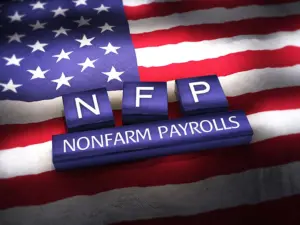
Picture the scene: early afternoon on the first Friday of the month. Suddenly, charts across the board start whipsawing – currency pairs go up and down, indices go up and down, and even gold can’t make up its mind. Welcome to Non-Farm Payrolls (NFP) Friday. Once a month, this US jobs report hits the wires and global markets often pause and brace for impact.
As the year winds down and the holiday season approaches, financial markets enter a unique environment. Liquidity thins, spreads shift, volatility becomes unpredictable, and trader behaviour changes as institutional desks slow down for the break.